


One-wire interface for LCD
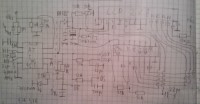
One-wire interface for LCD: When using a small MCU (e.g. like ATTiny), it would be very convenient to save those few pins for something else. A standard textual LCD needs 4 data lines, 2 lines for RS and E (enable) and even one more if you want to turn it on/off (all together 7 lines).
One-wire interface for LCD: When using a small MCU (e.g. like ATTiny), it would be very convenient to save those few pins for something else. A standard textual LCD needs 4 data lines, 2 lines for RS and E (enable) and even one more if you want to turn it on/off (all together 7 lines). Using a 595 shift register IC and a few other components I designed a small circuit and wrote a piece of assembly code to control the LCD using only one MCU output. The same output is also used to turn the LCD on and off. I tested it when I made a simple working hours counter, it works fine. The scheme of this circuit you can find in attached photo. I will redraw it in Protel and send you the piece of program code so you can test it if you are interested.
Want to build a project?
Bring your design to life with the Elektor PCB Service, powered by Eurocircuits. Upload the project files and order professionally manufactured PCBs or assembled boards through a proven European production platform.
Supporting KiCad, Eagle, Gerber, and ODB++ formats, the service is suitable for everything from prototypes and validation builds to series production and volume manufacturing.
Made in Europe. Fast. Reliable. Professional.
Discussie (3 opmerking(en))